The National Archives describes the census as a head count of everyone in the country on a given day. England and Wales, and separately Scotland, have held one every ten years since 1801, except 1941.
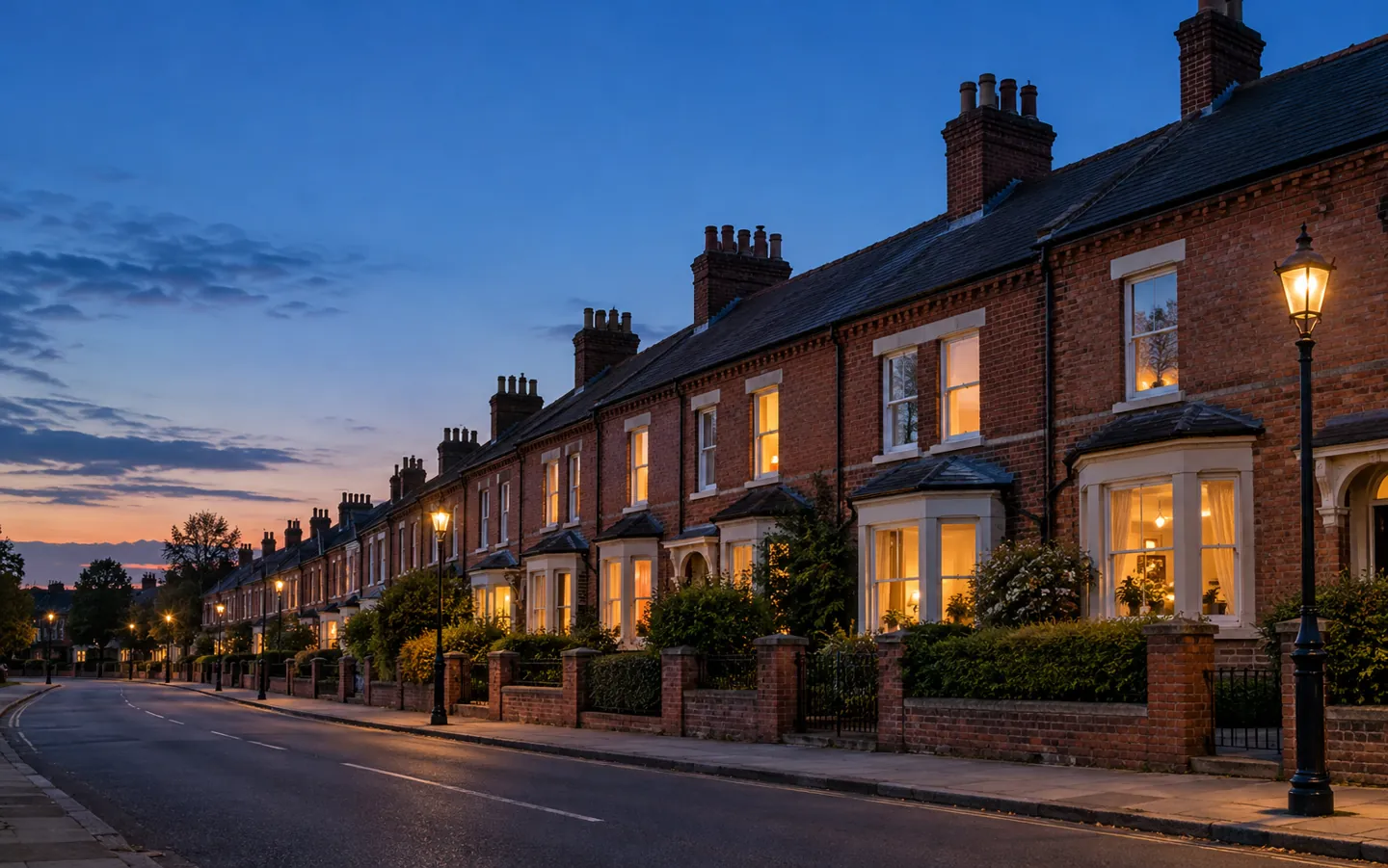
AI-generated image, not a photograph of a real person or place.
One night, every household
Answers kept confidential
Opened after 100 years
Two centuries of counting
THE SHORT ANSWER
Count once a decade, keep it secret a century.
The census is a snapshot, not a register. Its personal details are locked away for 100 years.
THE COUNT
Every household, one day
Census Day 2021 in England and Wales was 21 March. Scotland's Census notes that every household has a legal responsibility to complete a return, which is why the census gives such a complete snapshot.
Pick a census year for England and Wales. The bar shows how much a family historian can see about named individuals from it today.
Based on The National Archives' research guide to census records and ONS and National Records of Scotland information about the census.
TWO NUMBERS WORTH KNOWING
The biggest count on record.
One figure on how many people were counted, one on how many households took part.
59.6 million
Usual residents, England and Wales, 2021
The ONS counted 59,597,300 usual residents on Census Day 2021, the largest population ever recorded by a census in England and Wales and up 6.3% on 2011.
POPULATION · ONS
97%
Households that responded, 2021
Census 2021 was the first digital-first census in England and Wales. 97% of households responded, and 89% of those did so online.
RESPONSE · ONS
The ONS also found 18.6% of people were aged 65 and over in 2021, up from 16.4% a decade earlier. Northern Ireland's census on the same day counted 1,903,175 people, and Scotland moved its census to 2022 because of the COVID-19 pandemic.
FOUR WAYS TO USE IT
Find your family in the returns.
Old census returns are one of the richest records for family history. These steps follow The National Archives' guidance.
Start with 1921 and work back
Censuses from 1841 to 1921 are available online, with images and indexes on official partner sites.
Use the free reading room
You can view the 1841 to 1921 censuses free of charge on site at The National Archives in Kew.
Mind the gaps
There is no 1931 return for England and Wales and no 1941 census, so expect a jump from 1921 to later records.
Read the house carefully
Numbers in the left-hand column are schedule numbers, not house numbers. Exact addresses were only required from 1851.
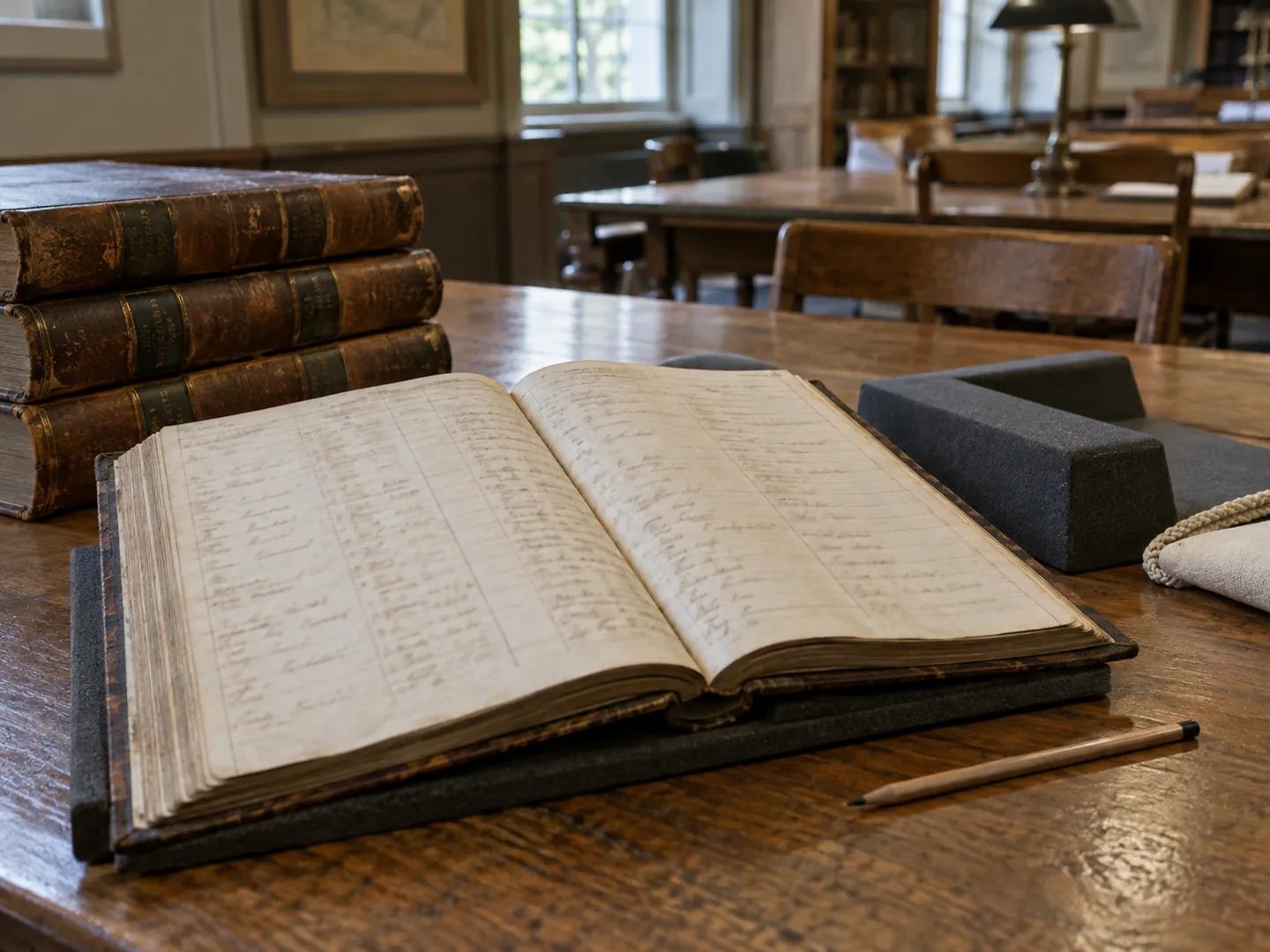
AI-generated image, not a photograph of a real person or place.AI-generated image, not a photograph of a real person or place.
WHY IT MATTERS
A snapshot that plans the decade.
National Records of Scotland says government and other service providers rely on census data to decide how money is spent on schools, roads and hospitals. The ONS says the results inform planning for services from school places to hospital beds and buses.
The census is changing too. ONS has begun planning for a proposed census in 2031 for England and Wales, drawing on lessons from 2021, and Scotland is also planning its 2031 census.
Questions
Questions people ask
When did the census start, and how often is it held?
The National Archives says a census has been taken in England and Wales, and separately for Scotland, every ten years since 1801, with the exception of 1941.
Do I have to fill in the census?
Scotland's Census says every household has a legal responsibility to complete a census questionnaire, which is what makes the census such a complete snapshot.
Who can see my census answers?
Personal census data is protected by the Census Act 1920 and the Census (Confidentiality) Act 1991 and is kept confidential for 100 years. Statistics from the census are openly available long before then.
What is the latest census I can search for my ancestors?
For England and Wales, the 1921 census. Later censuses stay closed for 100 years, the 1931 census was destroyed by fire in 1942 and no census was taken in 1941.
How many people were counted in 2021?
The ONS counted 59,597,300 usual residents in England and Wales on 21 March 2021: 56,489,800 in England and 3,107,500 in Wales.